Menu





 +971 54 547 0189
The customer support service is open from 9:00 to 20:00, seven days a week.
- Mobile+971 54 547 0189
- Mobile+971 54 547 0189
We'll call you back
Leave your number and we will call you back within 5 minutes, press - Call me back
Poco X8 Pro best deals availability now
Differences Xiaomi Poco X8 Pro from the previous model?
Xiaomi POCO X8 Pro Review
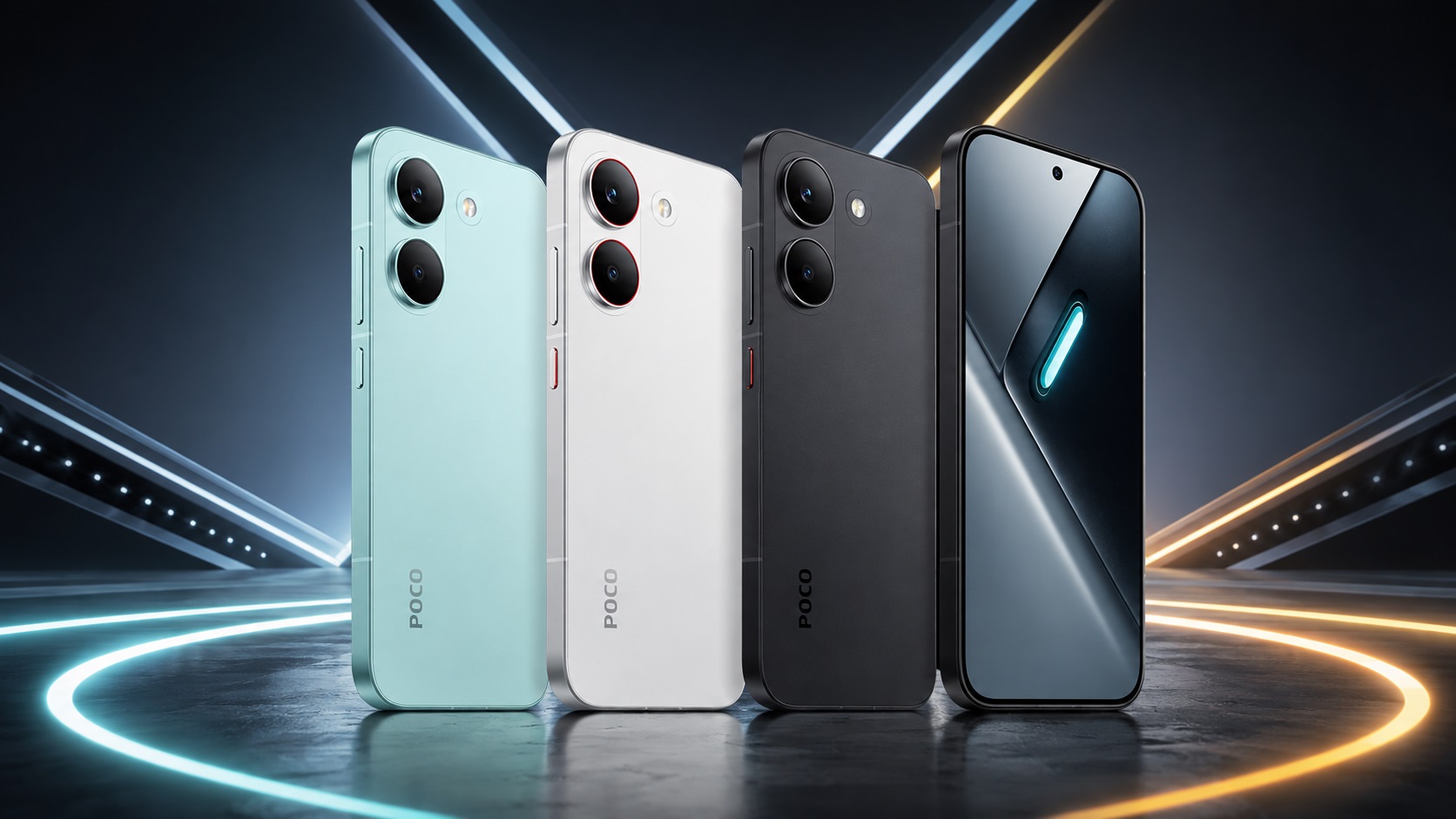
The POCO X series has gradually evolved from a lineup of affordable gaming smartphones into versatile devices that are equally capable of handling entertainment, work, and photography. With the Xiaomi POCO X8 Pro, the developers focused on the areas most often mentioned by owners of the POCO X7 Pro. Peak AMOLED display brightness has increased by approximately 29%, from 3200 to 4100 nits, making the smartphone considerably more comfortable to use outdoors. Thanks to a more energy-efficient hardware platform and a larger battery, battery life has improved by approximately 16%. Computational photography algorithms have increased image detail by almost 18%, while dynamic range has improved by around 20%, which is particularly noticeable in evening shots. Despite the more powerful hardware, the body has become 4 grams lighter and approximately 0.2 mm thinner. This smartphone will suit students, mobile gaming enthusiasts, regular photographers, and users who want to spend more time away from the charger.
Design and Feel
The design has become more restrained and refined. The matte glass rear panel attracts fewer fingerprints, while the aluminum frame adds a greater sense of structural rigidity. With a thickness of around 8.9 mm and a weight of approximately 201.5 grams, the device feels lighter than most competitors in the same class. The flat edges provide a secure grip without making the phone feel excessively angular, thanks to the slightly rounded transitions. Even after long periods of messaging, watching movies, or reading e-books, the hand does not become overly tired because the weight is distributed fairly evenly.
Display and Camera
The 6.59-inch AMOLED display with a resolution of 2756×1268 pixels and an adaptive refresh rate of up to 120 Hz produces an image that is vivid yet natural. Brightness is approximately 28% higher than in the previous generation, so text remains clearly readable even under direct sunlight. The 50 MP main camera locks onto subjects faster thanks to improved autofocus, while updated image processing makes fine details more noticeable. Night photos look more natural, digital noise has been reduced, and electronic stabilization helps produce smoother videos while walking or traveling.
Performance and Software Features
Performance is handled by the MediaTek Dimensity 8500 Ultra processor combined with LPDDR5X RAM and UFS 4.1 storage. Compared with the POCO X7 Pro, CPU performance has increased by approximately 24%, while graphics performance is almost 27% higher. The HyperOS 3 interface based on Android 16 runs smoothly, apps open without noticeable delays, and switching between YouTube, navigation, the browser, messaging apps, and music services happens almost instantly. Built-in artificial intelligence features can help translate text, enhance photos, create brief notes, and quickly find relevant information. In terms of performance, the smartphone competes confidently with models such as the Realme GT 8 and Samsung Galaxy A57.
Battery Life
The 6500 mAh battery provides up to ten hours of active screen time with mixed usage. One hour of streaming video consumes around 5–6% of the charge, GPS navigation uses approximately 8%, while modern games consume around 15–16%. With 100W wired charging, most of the battery capacity can be restored in less than forty minutes. As a result, the smartphone feels noticeably more efficient than its predecessor and easily handles a busy day filled with photography, social media, music, and long trips.
Final Thoughts
After several days of use, it becomes clear that the POCO X8 Pro has evolved not through a single dramatic upgrade, but through a collection of smaller improvements. The display is more comfortable in bright sunlight, the camera performs more consistently in challenging conditions, and battery endurance has noticeably increased. The model will therefore suit users who actively rely on their smartphone throughout the day, play games, take photos and videos, watch YouTube, and frequently use navigation. There are still compromises — the camera capabilities fall short of specialized flagship solutions, but for everyday tasks and most creative scenarios, the device offers more than enough potential.

 0
0
Latest reviews
23 June 2023

Artem were helpful in deciding 14 pro max , always excellent team..
16 June 2023
..
 Colin D.
16 June 2023
Quick and efficiante service..
Robert O.
09 June 2023
..
Katie B.
02 June 2023
amazing..
Randy L.
30 May 2023
Excellent service and an awesome ambience! Smaller compared to the other Apple stores. Less customers meant faster service...

22 October 2022
The best appliance store in Sevastopol. The prices are lower than at competitors, and the service is just TOP. A special thanks to manager Evgeniy for his help and for answering all my questions, he i..
 Anna
Anna


