Differences Apple iphone Air from the previous model?
The Air series within the Apple iPhone lineup is a new addition, with its first generation debuting in the fall of 2025. A phone with the Air branding emerged in response to the growing trend toward ultra-thin and lightweight smartphones. It is no secret that global demand for ultra-thin gadgets continues to rise. In fact, this model effectively replaces the iPhone Plus version. Another factor behind the introduction of this new variant was the lack of strong demand for iPhone Plus models. Phones with the Plus designation have been completely discontinued; for example, the iPhone 15 Plus has not been produced since September 2025. However, if you are a true fan of this version, it can still be found at retail stores, often with a significant discount.
Differences and Features
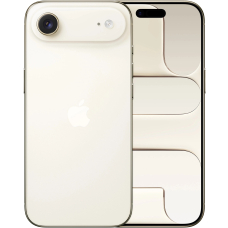
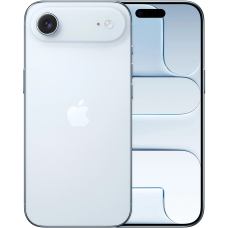
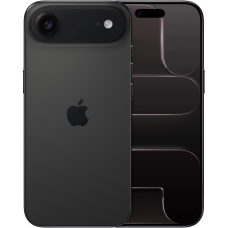
The key distinction and main feature of the iPhone Air version is its ultra-thin body and low weight. The device is just 5.6 mm thick and weighs only 165 grams.
The phone can also confidently be described as exceptionally durable, which is quite rare for such thin devices. Internal component layout also plays a major role here. The arrangement scheme of all parts has even received a separate name — the “plateau.”
In addition, the smartphone features second-generation ultra-durable protective glass, which is twice as strong as its predecessor. The phone includes all the most advanced features, including the latest version of the central processor. The A19 chipset operates with six cores and is equipped with a neural accelerator. The device also includes Apple’s proprietary N1 module, which improves connection quality for cellular networks as well as Bluetooth and Wi-Fi.
The display has a mid-sized diagonal of 6.5 inches but supports ProMotion technology. Peak screen brightness is at an impressive level, reaching 3,000 nits. Such performance is typically found only in flagship models.
Moreover, the model is equipped with full-featured cameras, which is quite rare for devices of such compact size and thinness. The rear setup includes two lenses rated at 48 MP and 12 MP, while the front camera features an 18 MP sensor with Center Stage, constantly keeping the user centered in the frame. In practice, the rear cameras deliver near studio-quality photos.
It is safe to say that if Apple continues in this direction, the iPhone Air version will become iconic and will undoubtedly find its audience — users who are willing to pay for upgrades year after year.