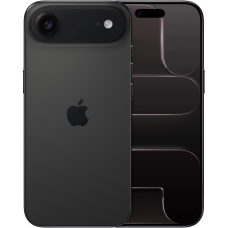
Google Pixel 10 Review
The Pixel 10 was introduced as an attempt to make the base model of the series more balanced and versatile. The previous version sometimes suffered from insufficient brightness outdoors, so this time it was increased by about 15%, making the screen readable even in sunlight. Battery life improved by around 8%, noticeable in everyday scenarios like messaging, streaming, or navigation. The camera became more precise in fine details—with about a 10% improvement over the Pixel 9—and the dynamic range performs more confidently in high-contrast scenes. The body got slightly slimmer: 0.3 mm thinner and about 6 g lighter. Overall, the model appears suitable for those who need a reliable screen, accurate camera, and a full day without looking for a charger—whether it’s a student, an active social media user, or someone who frequently takes photos on the go.
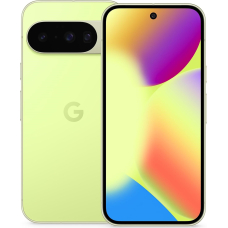
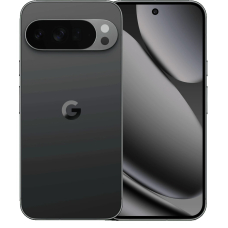
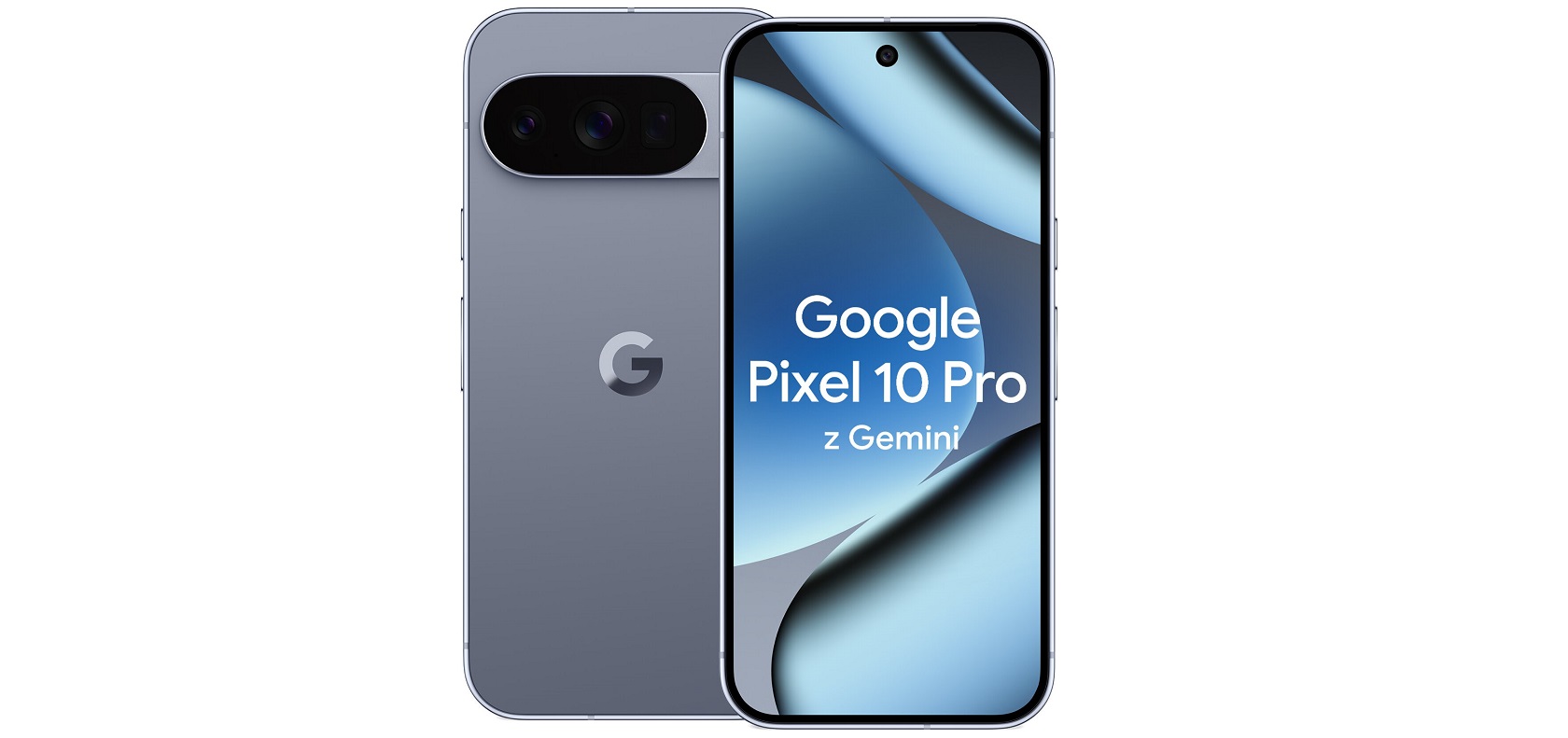
The design feels more cohesive. Matte edges attract fewer fingerprints, and the rear glass panel is slightly less slippery and feels warmer to the touch. At around 192 g, the phone is noticeably lighter than the higher-end version, and its 8.6 mm thickness makes it easy to hold with one hand without fingers pressing against the edges. The balance is centered, so long-term use causes minimal fatigue. The phone fits comfortably in a pocket, doesn’t feel like a “brick,” and handles naturally in any grip.
The display is one of the most enjoyable elements. Maximum brightness of around 2000 nits allows for easy reading even in direct sunlight, and the 120 Hz refresh rate ensures smooth and natural scrolling. Visually, contrast increased by about 8%, noticeable in movies and games. Colors appear neutral without a cold blue tint, making YouTube videos and social media photos look vivid but not oversaturated. Subjectively, the screen feels calmer and less tiring for long reading sessions.
Performance is handled by the new Tensor G5 chip, running up to 3.78 GHz. It’s roughly 18% faster than the previous version, noticeable in multitasking. Switching between messaging apps, the camera, and the browser is seamless, and games like Call of Duty Mobile maintain a stable frame rate. In everyday use, the phone feels more responsive: gestures are instant, browser tabs rarely reload, and navigation reacts quickly. The interface runs smoothly without the occasional stutters seen under heavy load on older models.
The Pixel 10 runs on the latest Android, where animations are slightly shorter, making the system feel faster. The interface remains minimalist, but settings are logically organized, making it easier to find options. AI features are more active in the camera: autofocus locks onto subjects faster, and night shots look smoother without excessive grain. Sound is rich, though volume isn’t record-breaking—competitors like the Galaxy S24 are louder, but the focus here is on clarity and detail.
The battery feels stable, offering around 6.5–7 hours of screen time under typical use, alternating between social media, YouTube, browsing, and music. Video consumes about 10% per hour, games around 17%, and GPS roughly 13%. The roughly 8% improvement in battery life is noticeable—background consumption feels lower by about 5–6%. By the end of the day, there’s usually a small reserve remaining even with active camera or streaming use. Charging is fast but not extreme, so heating during recharge is minimal.
After several days of use, the Pixel 10 gives the impression of a calm and well-thought-out smartphone that doesn’t try to impress with a single feature, but focuses on overall harmony. It’s suitable for those who value interface convenience, camera stability, and reliable battery life. There are compromises: sound isn’t very loud, and gaming performance may feel average. Overall, it’s a device that reliably handles daily tasks without causing stress for the user.