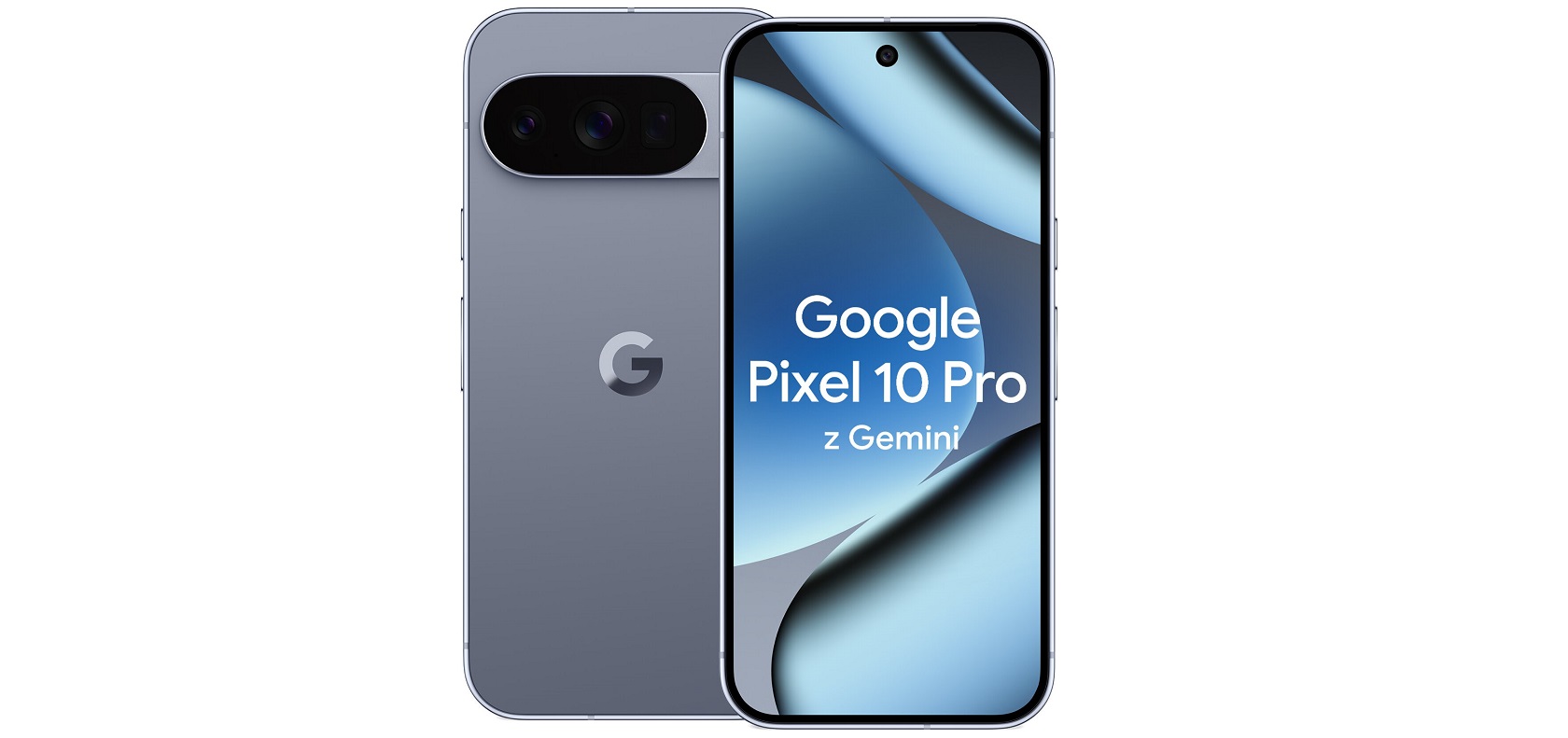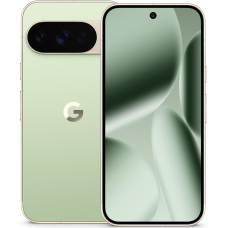
Google Pixel 10 Pro Review
The Pixel 10 Pro was created to carefully address the weaknesses of the previous model and revive interest in the lineup, which had noticeably grown stale. Screen brightness increased by about 18%, so it no longer fades under sunlight like the Pixel 8 Pro. Battery life improved by approximately 11%, especially noticeable for those who spend a lot of time on social media and YouTube. The camera added about 12% more detail in complex scenes—fine textures no longer blur automatically. The body became slightly slimmer: thickness decreased by 0.4 mm, weight by 9 g. The model looks more "serious" and suits those who take many photos, read often from the screen, or simply want a phone that can comfortably last a long day without a charger.
The design, surprisingly, feels more cohesive. The metal on the edges is slightly matte, reducing slipperiness, and fingerprints appear more slowly. At around 205 g, the phone feels lighter than the numbers suggest: the center of gravity is closer to the middle, making it easier to hold with one hand without strain. Slightly reduced thickness allows fingers to naturally find a comfortable grip. It doesn’t press in pockets and doesn’t stick out in hand, making the balance surprisingly precise for everyday use.
The screen is the main highlight here. With a maximum brightness of about 2400 nits, the image remains readable even in midday sun, and the 120 Hz refresh rate ensures smooth scrolling without blur during fast gestures. Contrast feels about 10% deeper, especially in dark video scenes. The tones are slightly cooler than some competitors, but transitions between shades look natural—no washed-out "acidic" effect. Overall, the display constantly reminds you why flagships are made.
Performance is powered by the new Tensor G5 chip, running up to 3.78 GHz. The power increase over the previous generation feels roughly 25% stronger: the interface remains smooth even when using the camera, music, and messaging apps simultaneously. In games like Genshin Impact, the phone performs confidently, with moderate heat and stable frame rates. Navigation is calmer—satellites connect faster and lose signal less often in high-rise areas. The system finally eliminates small stutters noticed in previous Pixel models.
The Pixel 10 Pro runs on the latest Android with proprietary animations that are slightly shorter, making the interface feel snappier. AI features enhance camera tasks—for example, during night photography, algorithms pull light more accurately without turning the sky into a uniform canvas. The sound is fuller, stereo wider, though volume isn’t record-breaking. Compared to competitors like the Galaxy S25, Google's approach feels lighter to handle: menus are concise, settings are learned quickly, so you adapt to the device literally within a day.
The battery behaves predictably. Active screen time averages around 7–7.5 hours when alternating messaging, streaming, and browsing. YouTube consumes about 9–10% per hour, games around 18%, and active GPS approximately 14%. Battery life improved by roughly 11%, as mentioned earlier, which is noticeable: by evening, the phone isn’t on its last percentages and retains at least a couple of hours of music. Charging is fast but not extreme—the focus is on predictable battery behavior throughout the day.
After several days of use, it feels that the Pixel 10 Pro is not about flashiness, but carefully refined details. It suits those who want a reliable screen, stable camera, and predictability in tasks like social media, navigation, and video playback. There are compromises: sound isn’t record-breaking, gamers may expect slightly higher frame rates, and the body still attracts dust. Overall, the model leaves the impression of a calm, mature smartphone that doesn’t try to amaze at every step—and precisely because of this, it feels convenient in real life.