Menu





 +971 54 547 0189
The customer support service is open from 9:00 to 20:00, seven days a week.
- Mobile+971 54 547 0189
- Mobile+971 54 547 0189
We'll call you back
Leave your number and we will call you back within 5 minutes, press - Call me back
Poco F8 Ultra best deals availability now
Differences Xiaomi Poco F8 Ultra from the previous model?
Beginning and Place in the Lineup
The arrival of the Poco F8 Ultra in the lineup looks like a logical step after last year's model left some users wanting more display brightness and more consistent camera performance in difficult lighting conditions. The manufacturer focused on addressing these weaknesses: peak brightness has increased by approximately 28%, which is immediately noticeable outdoors, while the camera's dynamic range has become almost one-third wider — around 32% based on subjective analysis of photos. Battery life has improved by approximately 15–18%, which is reflected in how long the smartphone can handle streaming or GPS use.
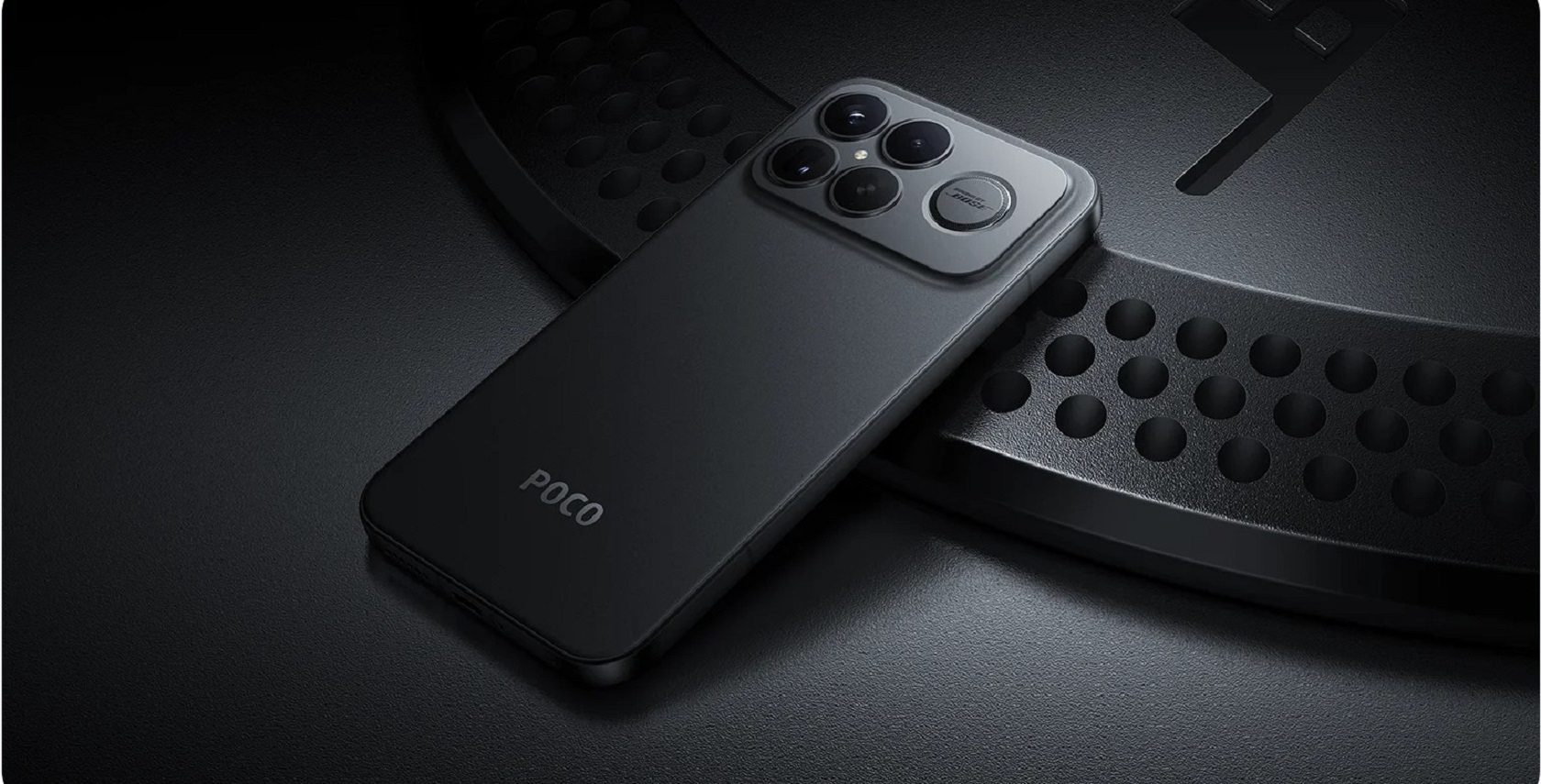
Design and Feel
The Poco F8 Ultra features a matte glass body with smoothly rounded edges and a metalized frame. The surface feels noticeably more "dry" to the touch compared with the F7 Ultra, which reduces the number of visible fingerprints, although it is still impossible to avoid them completely. The thickness is 7.7 mm, and this is immediately noticeable in the hand — the smartphone feels more secure and does not shift the center of gravity toward the upper camera module. At 218 g, the weight creates a good sense of balance: the device does not feel hollow, yet it does not tire the hand during long periods of scrolling or typing.
Display and Its Performance
The main focus of the device is its display. The AMOLED panel is approximately 28% brighter, which is especially noticeable in direct sunlight — even faded interface elements remain easy to read without squinting. The refresh rate remains at 120 Hz, while in gaming scenes the display feels even more responsive thanks to optimized touch response. Visual contrast has increased by around 15%, which can be seen in deeper shadows in movies and richer-looking red and blue tones.
Camera and Shooting Experience
The main camera of the Poco F8 Ultra takes a step forward primarily through its improved dynamic range and more accurate autofocus. Detail reproduction has increased by approximately 18–20%. In daylight shots, this results in cleaner textures, while nighttime images contain fewer smeared areas. HDR algorithms respond faster, and the difference is especially noticeable when light comes through a window or street lamps enter the frame at an angle: the eye is no longer distracted by harsh losses of detail in darker areas.
Performance and Real-World Experience
With the new Snapdragon 8-series "Elite" chip, the smartphone feels noticeably more responsive: CPU performance has increased by around 22%, while graphics performance is up by approximately 18%. The interface remains smooth even when quickly switching between maps, chats, and the browser. In games such as Genshin Impact, the frame rate stays within 50–58 FPS at medium-high settings, while heat remains moderate without a sharp drop in performance. Social media transitions are smooth, YouTube plays without delays, and long feeds scroll with minimal interface processing lag.
Software and Interface
The smartphone runs on HyperOS, which has been noticeably redesigned in terms of visual effects and settings logic. Animations are faster, creating a sense of lightness throughout the interface. AI-powered features work more accurately, which is particularly noticeable in predictive text input and automatic scene recognition in the camera. Multimedia playback sounds rich, although the emphasis is more on spaciousness than bass. Compared with Realme models in the same price range, the Poco feels more restrained.
Battery and Charging
The battery capacity has not formally changed, but power consumption has been optimized: battery life has increased by approximately 15–18%, depending on the usage scenario. After a day of mixed use — messaging, listening to music through headphones, an hour of YouTube, and some gaming — around 30% of the charge remains. In continuous video playback, the smartphone can last up to 13 hours, while navigation at high brightness drains the battery faster but steadily. Screen-on time can easily reach 7–7.5 hours.
Overall Impressions
After several days of use, the Poco F8 Ultra gives the impression of a device where the priorities have been set honestly: the display, camera, and battery life have genuinely improved, and the changes can be felt in everyday use rather than existing only on paper. The Poco F8 Ultra will suit users who want an everyday smartphone with plenty of performance and a good display for movies and gaming. There are still compromises — the camera does not always handle extremely high-contrast scenes perfectly, while the body can still collect fingerprints in some areas. Overall, however, the balance feels cohesive, and the model fits naturally into everyday routines without unnecessary emphasis on its "Ultra" status.

 0
0
Latest reviews
23 June 2023

Artem were helpful in deciding 14 pro max , always excellent team..
16 June 2023
..
 Colin D.
16 June 2023
Quick and efficiante service..
Robert O.
09 June 2023
..
Katie B.
02 June 2023
amazing..
Randy L.
30 May 2023
Excellent service and an awesome ambience! Smaller compared to the other Apple stores. Less customers meant faster service...

22 October 2022
The best appliance store in Sevastopol. The prices are lower than at competitors, and the service is just TOP. A special thanks to manager Evgeniy for his help and for answering all my questions, he i..
 Anna
Anna


