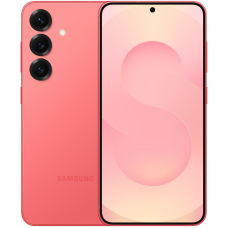
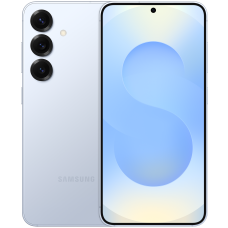
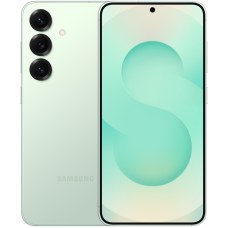
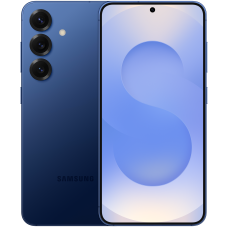
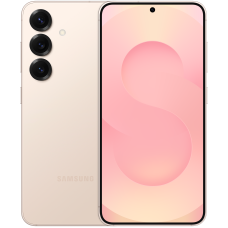
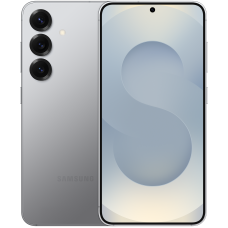
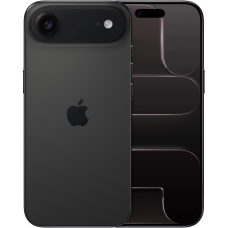
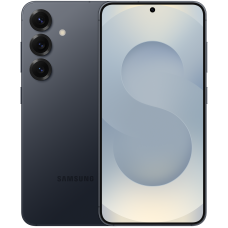
Galaxy S25 is the fresh representative of the 2025 series, succeeding the Galaxy S24 released a year earlier. But, as always, the logical question arises: is it worth upgrading? Or is the S25 just a slightly updated design with a couple of new features? To answer this, let’s compare the two models across all key aspects: from appearance to internals, camera, and battery life. Spoiler: there are differences, and in some areas, they are quite significant.
Design
At first glance, the Galaxy S25 looks very similar to its predecessor — straight lines, minimalism, nothing extra. But on closer inspection, differences appear. First, the Galaxy S25 is slightly thinner — just 7.2 mm compared to 7.6 mm for the S24. Second, it’s lighter — 162 g versus 168 g. These may seem minor, but in hand, it feels noticeably more elegant and comfortable to use with one hand.
As for materials, both models are made from durable aluminum alloy with tempered glass front and back. However, the S25 uses the updated Gorilla Armor 2 coating, which is even more resistant to scratches and drops.
Both models are dust and water-resistant with an IP68 rating — meaning they can withstand rain and even brief submersion in water.
Display
The differences aren’t immediately obvious, but they matter. Both smartphones feature 6.2-inch Dynamic AMOLED 2X screens with Full HD+ resolution (2340×1080) and adaptive refresh rates from 1 to 120 Hz. However, the S25 now supports a peak brightness of up to 2600 nits, while the S24 maxes out at 2000 nits. This is especially noticeable outdoors in sunlight: the S25 display is much easier to read.
Color reproduction remains high, and response time is slightly faster. Samsung also improved the anti-glare coating, which is noticeable when watching videos or viewing photos — fewer reflections, more enjoyment.
Another plus of the S25 is the thinner bezels, especially at the bottom, making the smartphone look even more modern.
Specifications
This is where the real evolution lies. The Galaxy S25 received the new Snapdragon 8 Gen 4 (or Elite in some regions), while the S24 used the Snapdragon 8 Gen 3. The difference isn’t just in numbers — the new chipset is 20% more powerful and more energy-efficient.
The base configuration of the S25 now includes 12 GB of RAM even in the entry-level version, whereas the S24 had 8 GB. Storage remains the same: 128, 256, and 512 GB. Memory card support is still absent, so choose your storage wisely.
In practice, this means the Galaxy S25 launches apps faster, the interface runs smoother, and it performs better in games. It handles multitasking without any noticeable lag.
The cooling system has also improved — the phone no longer heats up as much during heavy use, making gaming and video watching more comfortable.
Battery
On paper, the batteries are almost identical: 4000 mAh in both. But thanks to the new chip and optimized power management, the Galaxy S25 lasts longer. Reports suggest about 1–1.5 hours more in real-world usage: watching YouTube, social media, messaging.
Both smartphones support fast charging: 25 W wired and 15 W wireless. Charging remains at the same level, but the time to full charge is slightly reduced thanks to software optimization.
Reverse wireless charging is also retained — you can charge headphones or a watch directly from the phone. A handy feature when needed most.
Camera
At first glance, the cameras haven’t changed: main — 50 MP, ultra-wide — 12 MP, telephoto — 10 MP with 3x zoom. The front camera remains 12 MP. But the most interesting part isn’t in the megapixels.
The Galaxy S25 has reworked photo processing algorithms. The phone now handles night shots better — photos are brighter, with less noise and more natural color reproduction. This is especially noticeable in portraits and landscapes under low light.
Optical stabilization has also improved, making video smoother even when shooting handheld. A new AI Zoom mode has been added, which automatically enhances quality when using digital zoom.
Selfies are also improved — the camera reproduces skin tones more accurately and creates more natural portraits. Additionally, HDR video can now be recorded directly from the front camera.



 0
0