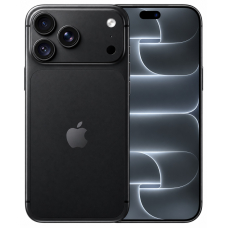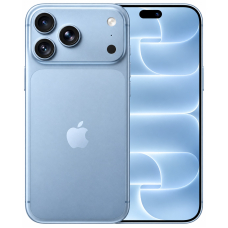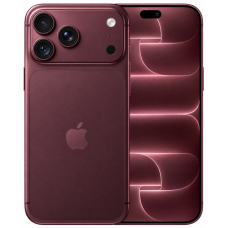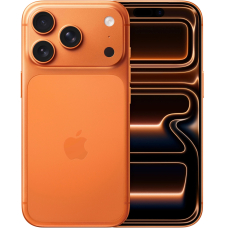
Apple iPhone 18 Pro: What Has Changed in a Year
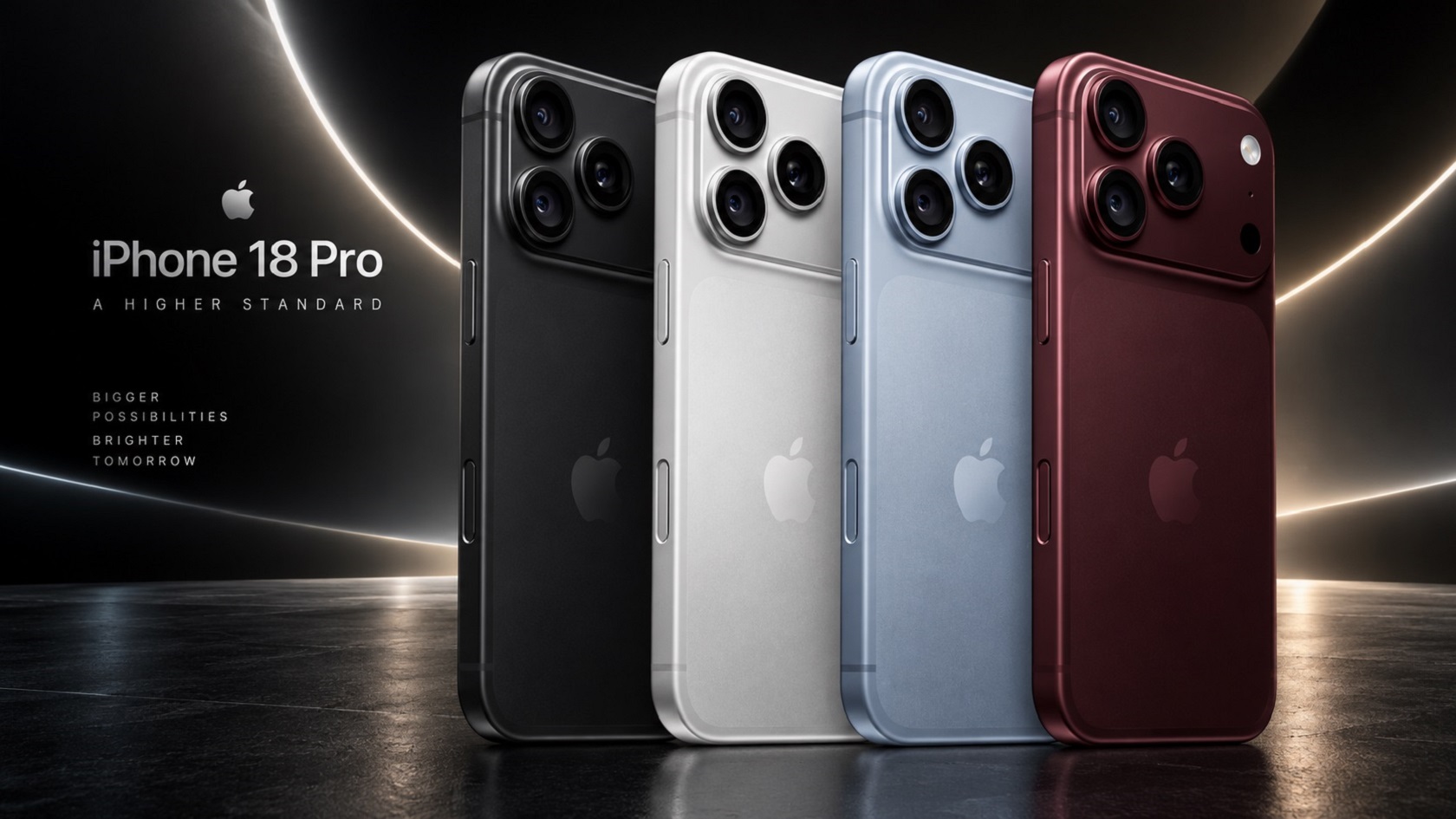
Apple iPhone 18 Pro continues last year's Pro lineup, but places a noticeable emphasis on the camera, sustained performance, and battery life. Compared with the iPhone 17 Pro, the display retains its 6.3-inch diagonal and maximum outdoor brightness of 3000 nits, so the increase in this regard is 0%. However, video playback time has increased from 31 to 36 hours — approximately 16%. The camera features a 48 MP main module with a variable f/1.48–f/4.0 aperture, while Apple does not provide an official percentage increase in detail or dynamic range. Therefore, attributing an arbitrary 20% or 30% improvement would be inaccurate. The new model is aimed at those who take lots of photos and videos, watch content, use GPS, study, or work for long periods away from a power outlet.
Design and Feel
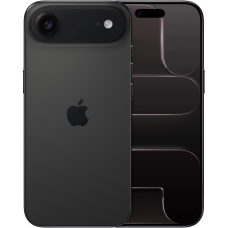
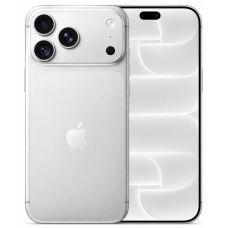
The body remains aluminum, while the front uses Ceramic Shield 2. Dimensions have barely changed: 71.9 mm wide, 150 mm tall, and 8.8 mm thick. Weight has increased from 206 to 211 g, or approximately 2.4%. The difference is small in the hand, but becomes noticeable after several hours: the device feels more substantial rather than simply heavier. The balance is well judged, so the phone does not pull the wrist downward when typing with one hand. The oleophobic coating helps reduce fingerprints.
Display and Camera
The 6.3-inch OLED panel with ProMotion up to 120 Hz has changed very little on paper. In direct sunlight, a peak brightness of up to 3000 nits helps, while the adaptive refresh rate keeps scrolling smooth without constantly consuming extra power. The main change is in the camera. The 48 MP main sensor now offers four aperture settings: f/1.48, f/1.8, f/2.8, and f/4.0. This provides greater control over depth of field and the amount of light entering the lens. At night, stabilization helps preserve details, while autofocus with 100% Focus Pixels locks onto subjects more quickly. The ultra-wide-angle and telephoto modules also use 48 MP sensors, so more original image information is retained when switching between focal lengths.
Performance and System
The device is powered by the A20 Pro with a six-core CPU, seven-core GPU, and hardware-accelerated ray tracing. The new vapor chamber has three times the surface area of the one in the iPhone 17 Pro, while Apple claims up to a 40% improvement in sustained performance. As a result, performance during extended gaming sessions or video editing is less affected by heat. In everyday scenarios — Telegram, web browsing, YouTube, music, GPS, and switching between apps — the interface remains fast, while 120 Hz helps mask minor delays. iOS 27 adds an updated Siri AI and Apple Intelligence features.
Battery and Charging
In everyday use, the iPhone 18 Pro can comfortably last a full day with some reserve remaining. Officially, it is rated for up to 36 hours of video playback compared with 31 hours for the iPhone 17 Pro — an increase of around 16%. With streamed video, the figure reaches 33 hours. GPS and gaming drain the battery faster, but the A20 Pro's power efficiency helps maintain stable performance for longer. The battery can reach 50% in approximately 15 minutes when using a compatible 60 W or higher power adapter.
Conclusion
After several days of use, the iPhone 18 Pro feels like a measured evolution. The camera has become more flexible, sustained workloads are handled better, and battery life has increased by roughly one-sixth. A student will benefit from the additional battery capacity, a photographer will appreciate the variable aperture, while video enthusiasts will value the bright 120 Hz display. Compromises remain: the body is heavier, the exterior changes are minimal, and some camera capabilities are best utilized through manual adjustment.



 0
0