Differences Apple iPhone 17 Pro from the previous model?
In 2025, the Apple iPhone 17 Pro is equipped with the most advanced processor available at launch — the A19 Pro, which is 16% more powerful and efficient than its predecessor, the A18 Pro. Improvements have also been made to the cooling system, allowing the device to easily handle demanding applications and games while delivering smooth 4K video without delays. Each GPU core now features Neural Accelerators, significantly speeding up AI workloads and enhancing multi-layer effects as well as photo and video processing. The new model comes with increased internal storage — 256 GB with an option to expand up to 1 TB, compared to 128 GB previously. RAM has also been upgraded to 12 GB from 8 GB.
The display size and refresh rate remain unchanged. However, brightness has increased and now reaches 3,000 nits compared to 2,000 nits on the previous model. This has significantly improved display visibility and clarity, even though the resolution remains the same. In addition, the screen is protected by Ceramic Shield 2 glass, which is three times more resistant to scratches than the first-generation glass used previously.
The rear cameras have been improved. The new model features a triple-camera system, each with a 48 MP resolution. In the previous generation, the main and ultra-wide cameras were 48 MP, while the telephoto camera was 12 MP. The main camera now supports 4× and 8× optical zoom, compared to 5× optical zoom on the predecessor.
The selfie camera has been upgraded to 18 MP from 12 MP previously. It now uses a square sensor with Center Stage technology. In simple terms, the sensor continuously keeps the user centered in the frame, even while moving. This makes it easy to shoot in either landscape or portrait orientation without rotating the phone. A new Dual Capture feature has also been introduced, allowing simultaneous recording with both the rear and front cameras, which will appeal to users creating stories, vlogs, and similar content. Additionally, the main camera supports professional video formats such as ACES ProRes and RAW, and includes genlock synchronization for multi-camera setups.
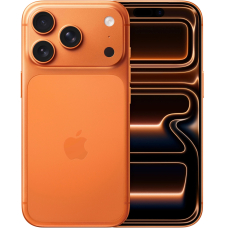
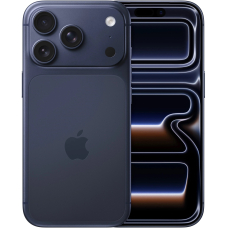
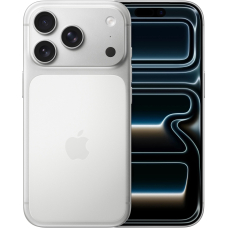
The design of the new model has changed significantly. A full-width “camera plateau” has appeared on the rear panel, behind which the antennas and the thermal load redistribution system are hidden. The cooling system now includes a vapor chamber that efficiently dissipates heat. The previous version used a standard aluminum and graphite cooling solution. Thanks to the updated system, overall device stability and performance have improved, and the risk of thermal throttling due to overheating has been virtually eliminated.



 0
0