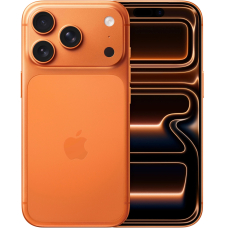
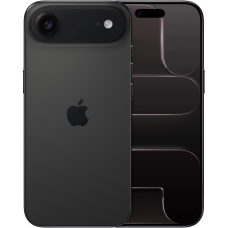
In 2025, the iPhone 17 lineup was released. It includes as many as four devices with different functionality and pricing strategies. These are already among the most advanced and sophisticated gadgets on the market. The Basic and Air versions are positioned as mid-range models with excellent performance indicators. The Pro and Pro Max versions are more expensive options designed for mobile photographers and gamers. The smartphones are primarily made of aluminum alloy with the latest-generation protective glass, ensuring maximum protection for both the display and the back panel. In addition, all devices are equipped with a 5G modem.
What’s new?
The base version of the iPhone 17 received a basic adaptive ProMotion display, capable of dropping to 1 Hz and increasing up to 120 Hz. Previously, none of the base models from earlier generations had this feature. This enabled the Always-On Display functionality. Peak brightness has also increased compared to the iPhone 16 and now reaches 3,000 nits versus 2,000 nits. Although HDR brightness remains at 1,600 nits, readability in bright sunlight is significantly better than that of its predecessor. In addition, animation smoothness has improved, with noticeable enhancements in scrolling, gaming, and overall interface performance.
The smartphone’s hardware has received a major upgrade — it now features the latest A19 processor instead of the A18 used in the previous generation. This significantly improved performance even under prolonged load, such as watching 4K videos or using navigation apps; the phone runs stably without lag. RAM remains at the same level — 8 GB — but internal storage has increased to 256 GB compared to 128 GB in its predecessor.
The design has remained largely unchanged. Although the bezels have become slightly thinner, the protective glass has been updated (now Ceramic Shield 2), which is three times more durable than its predecessor. The display size has also increased — 6.3 inches on the new model versus 6.1 inches on the previous one.
The cameras have undergone several changes. The main rear camera remains at 48 MP, while the ultra-wide camera has been upgraded to 48 MP compared to 12 MP in the previous generation. As a result, photos are more detailed, and macro photography quality has improved.
The front camera has also been upgraded — it now features 18 MP compared to 12 MP in the previous model. The camera received the Center Stage feature, meaning the user will always stay in focus even while moving. A real highlight for bloggers is the new Dual Capture feature, which allows simultaneous recording with both the rear and front cameras.




 0
0