/pas/9.jpg "Apple iPad Pro 11 2025")
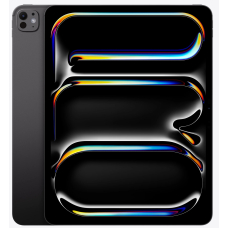
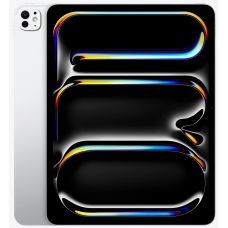
Apple iPad Pro 11 (2025): slim body, OLED display and power to last for years
The Apple iPad Pro 11 (2025) occupies the role of a compact professional model for users who need a tablet positioned between a laptop and a traditional mobile device. The main changes concern not only performance but also everyday usability. Compared with the previous M2-based generation, display brightness has increased by approximately 25%, battery life has improved by around 10%, while the new camera features enhanced image processing with an approximately 15% increase in detail and dynamic range. The body has also become lighter: weight has been reduced by about 20 grams, while thickness has decreased by nearly 0.6 mm, making the tablet more convenient to carry to classes, meetings, or on trips.
Design and everyday experience
The iPad Pro 11 body is made of aluminum with carefully finished edges. In the hand, the tablet feels very solid: it does not feel like a heavy professional tool; instead, the device looks restrained and minimalist. Its thickness is around 5.3 mm, while the Wi-Fi version weighs approximately 444 grams. Thanks to the reduced weight, holding it with one hand for extended periods has become more comfortable, which is especially noticeable when reading, viewing documents, or working with notes. The body surface is reasonably practical, although fingerprints may appear more quickly on darker versions, so a case remains a useful accessory.
Display and camera
The main impression created by the iPad Pro 11 comes from its Ultra Retina XDR display with OLED technology. The screen has an 11-inch diagonal, a resolution of 2420×1668 pixels, and an adaptive refresh rate of up to 120 Hz with ProMotion. Maximum brightness reaches 1000 nits in standard mode and up to 1600 nits when viewing HDR content. The image remains readable outdoors, colors look rich, and the smooth scrolling is noticeable in social networks, browsers, and graphics applications. Compared with the LCD panels used in previous models, contrast is several times higher, making movies and photos appear more dimensional.
The 12 MP main camera is suitable for quick photos, document scanning, and video calls. The front-facing camera also features a convenient placement for video calls in landscape orientation. Autofocus works quickly, while image-processing algorithms help preserve more detail in shadows and challenging lighting conditions.
Performance and system capabilities
At the heart of the tablet is the Apple M5 processor, whose performance noticeably exceeds that of the previous M2 generation. The chip is manufactured using a 3-nanometer process and features up to 10 CPU cores and up to 10 GPU cores. Depending on the configuration, the tablet is available with up to 16 GB of RAM and up to 2 TB of storage. In everyday use, the performance headroom is immediately noticeable: apps open quickly, multiple windows run without delays, while video editing, photo processing, and gaming remain stable.
For everyday tasks, the available performance is more than sufficient. Social networks, YouTube, messengers, music through wireless headphones, and GPS navigation do not create any noticeable load. The tablet is designed not only for entertainment but also for professional scenarios such as working with documents, design, and graphics.
Software features and multimedia
The iPad Pro 11 runs on iPadOS, whose interface is well adapted to the large display. Split-screen multitasking, file management, and accessory connectivity are convenient to use. The system includes artificial intelligence-based tools for processing text and images and speeding up certain workflows. Four speakers provide immersive sound, making the tablet suitable for movies, music, and video conferences. Compared with premium Android models such as the Samsung Galaxy Tab S10 Ultra, the iPad places greater emphasis on application optimization and long-term software update support.
Battery and real-world endurance
The battery capacity is approximately 8160 mAh (31.3 Wh), but thanks to the energy efficiency of the M5 chip, the tablet can last up to 10 hours under standard usage. In real-world scenarios, this translates to around 8–10 hours of active screen time: video playback drains approximately 8–10% per hour, gaming requires around 15–20% per hour, while working with documents and browsing the web consumes significantly less power. As a result, the iPad Pro 11 is approximately 10% more efficient than previous models in everyday tasks, which is particularly noticeable during long trips.
Conclusion and who it is for
After several days of use, the Apple iPad Pro 11 (2025) feels like a versatile tool for studying, creativity, and entertainment. It is suitable for students, designers, photographers, people who frequently work with documents, and anyone who values a high-quality display for movies and music. The model's main advantages are its slim body, high performance, and excellent display. The compromises include the high cost of accessories and the limitations of iPadOS compared with full-fledged laptops, but for most mobile tasks, this tablet covers a wide range of everyday needs.



 0
0