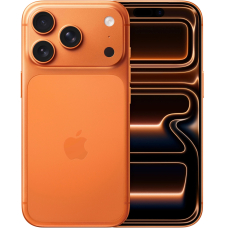
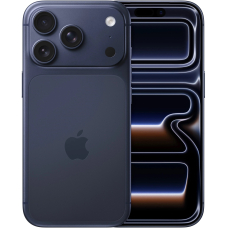
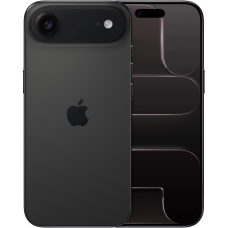
In 2025, the manufacturer unveiled the iPhone 17 Pro Max. The smartphone received the largest battery capacity in Apple’s history, providing up to 39 hours of video playback. However, this is far from the only improvement.
Design and Cameras
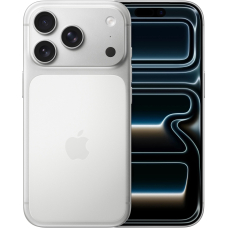
The display size remains unchanged at 6.9 inches. However, the rear design has undergone radical changes. Instead of the triangular camera layout, the new model features a horizontal camera bar. The camera placement somewhat resembles the design of Google Pixel smartphones.
In addition to the “cosmetic” changes, the telephoto sensor has increased in size by 56%, its resolution has been upgraded from 12 MP to 48 MP, and the zoom is now 4×. The remaining rear cameras have retained their 48 MP resolution. However, thanks to new image-processing algorithms, photos are sharper and virtually free of noise.
The front-facing camera has also received a resolution upgrade — 18 MP compared to 12 MP previously. The square-sensor module supports Center Stage, allowing users to shoot landscape and portrait videos (and photos) without rotating the phone. The new Dual Capture feature enables simultaneous recording with both the front and rear cameras.
The gadget is powered by the latest in-house A19 Pro processor, which outperforms the A18 Pro used in the previous generation. The new chipset is integrated into an updated thermal architecture, making performance gains especially noticeable during heavy video editing (4K) and in games with ray tracing. The new processor is paired with 12 GB of RAM, compared to 8 GB previously. Internal storage can be expanded up to 2 TB.
Along with the hardware upgrade, the operating system has also been updated to iOS 26. The OS finally introduces Call Screening, Live Translate for calls, and redesigned photo and video editing services.
The iPhone 17 Pro Max features the largest battery capacity among all models — 5,000 mAh. According to the manufacturer, the battery can last up to 39 hours under normal usage. For the previous model, this figure was around 33 hours.
The new model supports 40 W fast charging, allowing the battery to reach 50% in just 20 minutes, compared to 35 minutes on its predecessor. Wireless charging remains unchanged at up to 25 W.



 0
0