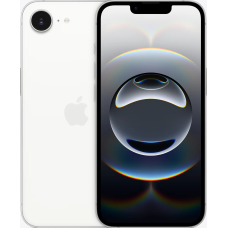
Introduced in February 2025, the iPhone 16e smartphone became the most affordable option among all Apple mobile devices. The gadget is cheaper than the base iPhone 16 model, even though it runs on the same processor. When examined closely, there are still some differences, but for most fans of the brand, they may seem insignificant.
Technical Specifications
Parameters:
The battery has a capacity of 4,000 mAh, which is sufficient for up to 26 hours of video playback. The device supports 29 W fast wired charging, while wireless charging is limited to 7.5 W. Despite the modest battery size, endurance is solid, largely thanks to the energy-efficient C1 modem. Qualcomm modems consume more power and were used in earlier smartphone generations.
The graphics processor features 4 cores, while the base iPhone 16 has a 5-core GPU. In everyday use, the difference is barely noticeable and only becomes apparent in demanding games — and even then, not significantly. In practice, the difference is mainly visible in synthetic benchmarks.
Exterior Design
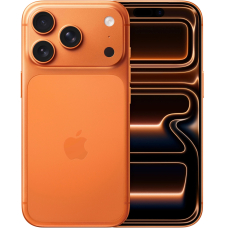
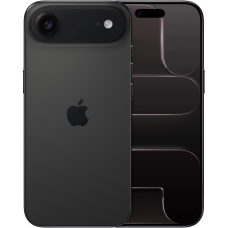
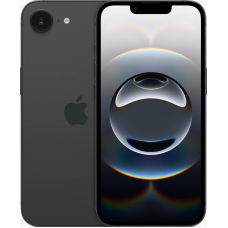
In terms of design, the iPhone 16e closely resembles the iPhone 16, but it lacks the additional camera control button and features only a single rear camera lens. The phone has chamfered metal side rails. The back panel is glass with a matte finish. The front features a notch similar to the iPhone 13 and 14 models.
Available colors are white and black. Dimensions: 146.7 × 71.5 mm. Thickness is 7.8 mm, and weight is 167 grams.
The phone is equipped with a USB 2.0 port, supports 5G connectivity, and includes Thread functionality for smart home integration. The smartphone does not support MagSafe but features an Action Button on the left side.
Display
The display has a compact diagonal of 6.1 inches. It uses Super Retina XDR glass. Peak brightness reaches up to 1,200 nits. Resolution is 2,532 × 1,170 pixels, with a pixel density of 460 ppi.
Cameras
The rear camera is a “2-in-1” system, consisting of a 48 MP main camera and a 12 MP telephoto lens. The front camera is 12 MP and supports Face ID.
Despite having only one rear camera module, this lens is similar to those used in the iPhone 16 and 16 Pro, although with a different lens configuration. In simple terms, by some parameters it is closer to the base model, while by others it approaches the Pro version.
Both cameras — front and rear — are guaranteed to record video in 4K resolution at 60 frames per second.
In addition, the smartphone features an updated Control Center and several modernized services, including the Photos app, improved widget settings, and more. The powerful processor also allows users to run even console-level games.



 0
0